Follow the product through your operation
New Amsterdam is in Region 6, where rice, sugar, coconuts, vegetables and cattle rearing are documented activities. For an agroindustrial operation, a useful instrument list follows the product from receiving through processing and storage, rather than simply listing everything owned by the quality department.
Identify where a measurement affects a batch decision, a process setting or a quantity recorded. State whether the instrument checks the product, the surrounding environment or the equipment itself. These distinctions help define a meaningful calibration request.
Separate temperature readings from process validation
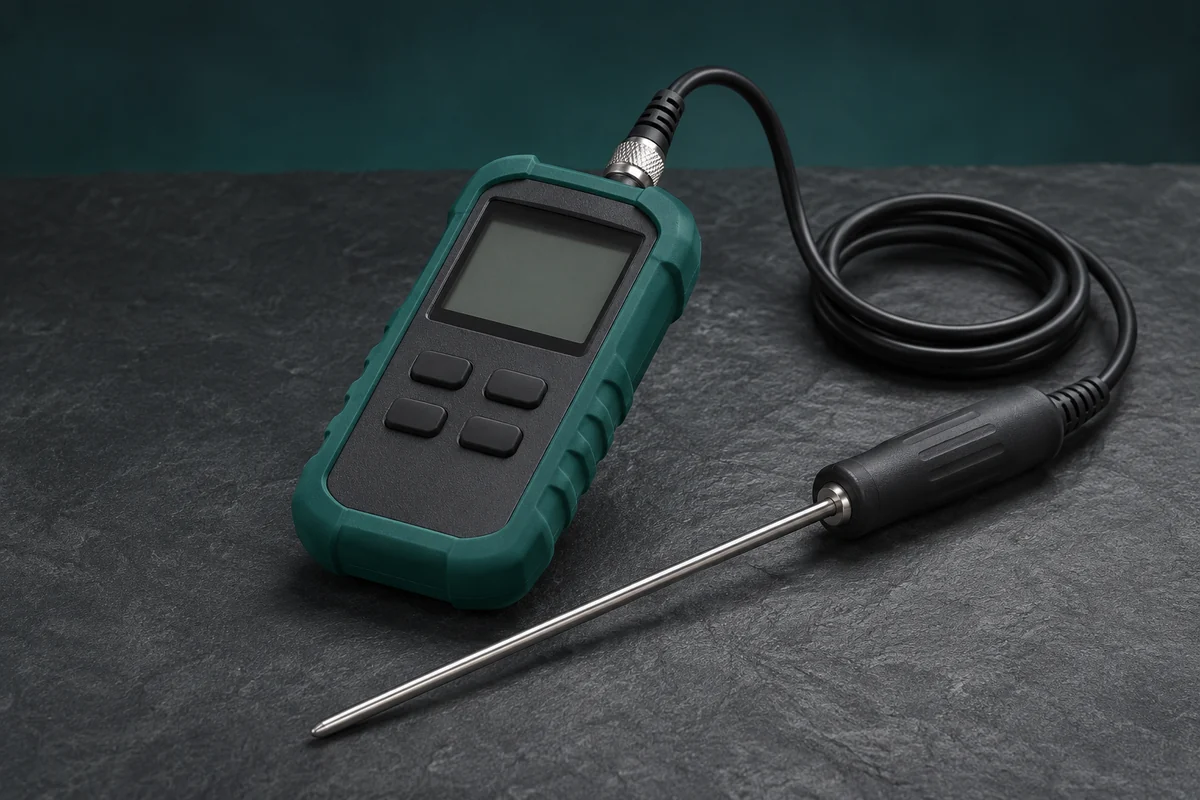
For a thermometer, describe the sensor, indicator and working temperatures. If a thermocouple is connected to a controller, explain which components need evaluation. The reading at a display may depend on more than the removable sensor alone.
Include your required points and the acceptance limits in the relevant procedure. Calibration of a temperature instrument does not by itself validate a drying, heating, cooling or food-safety process. Your production and quality teams remain responsible for deciding how the measurement results support that process.
Distinguish internal weighing from trade use
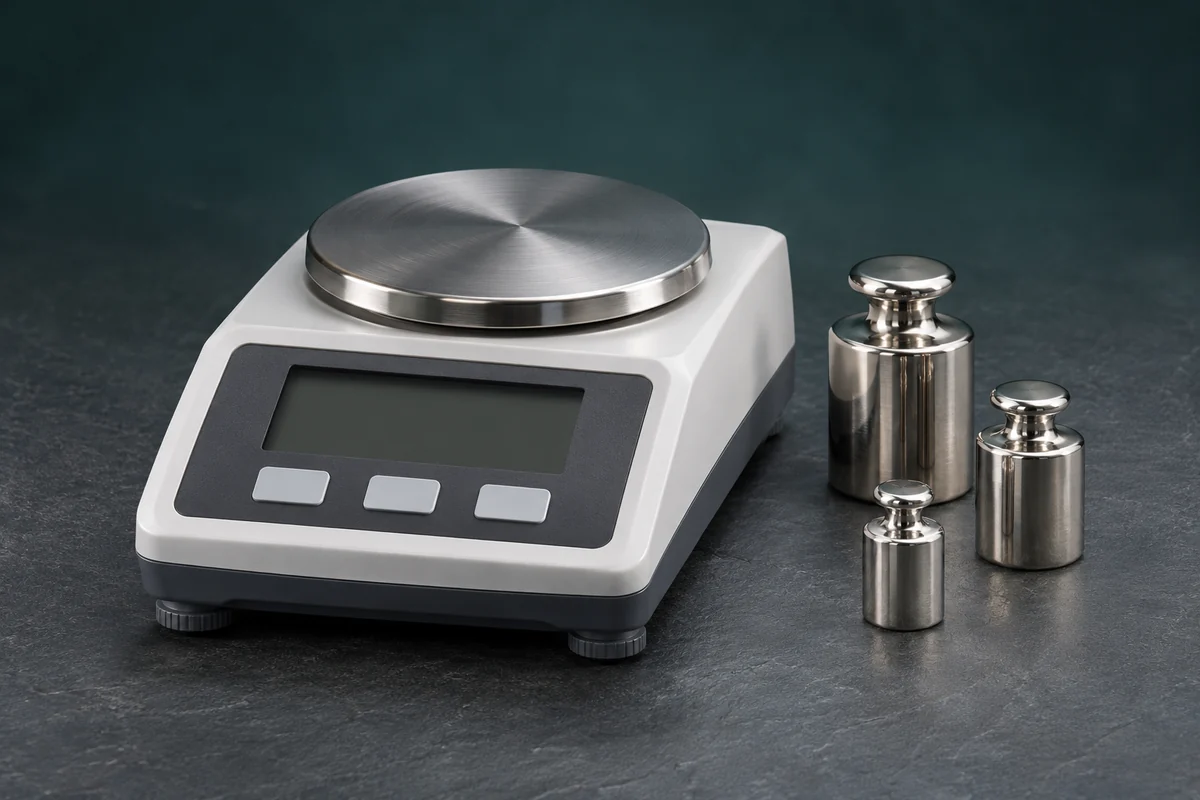
For a balance or scale, give capacity, resolution, typical load and the size or shape of the items weighed. Explain whether it is used for laboratory preparation, internal process control or a commercial quantity. The use affects the questions that need to be resolved.
GNBS administers legal verification for regulated weighing and measuring devices in Guyana. A calibration certificate is not an automatic substitute. Check the applicable local obligation when the instrument is used in trade, and keep that requirement visible in the procurement request.
Send your list and site requirements.
Prepare laboratory and production instruments together
List laboratory balances, volumetric glassware and temperature instruments separately from installed production equipment. For glassware, state nominal volume, identification and intended use. For pressure gauges, describe the medium, range and connection. Include accessories and previous certificates where they help define the task.
Plan a clean work area and identify equipment that cannot be released during production. Tell us about cleaning, hygiene, safe isolation and access requirements. Send your grouped list on WhatsApp so the technical scope and on-site arrangements can be assessed before dates are agreed.
Make the certificate useful to batch decisions
Ask your quality team to specify the required points and how results will be evaluated. Confirm instrument identity, measurement results, uncertainty and traceability information when reviewing the certificate. If you require a statement of conformity, discuss the acceptance limit and decision rule beforehand.
Where an instrument does not meet your criteria, review the potential effect on previous records and follow your own procedure for further action. Any contractual accreditation requirement should be raised before ordering, not left until a customer reviews the documentation.
Tell us which measurements your operation needs to assess.