Support procurement with a precise scope
Georgetown is Guyana’s capital and main port, within Region 4, whose activities include manufacturing. Guyana’s expanding oil sector also creates opportunities for support services and suppliers. For a workshop or contractor serving this market, the practical question is which measurements its customers require it to demonstrate.
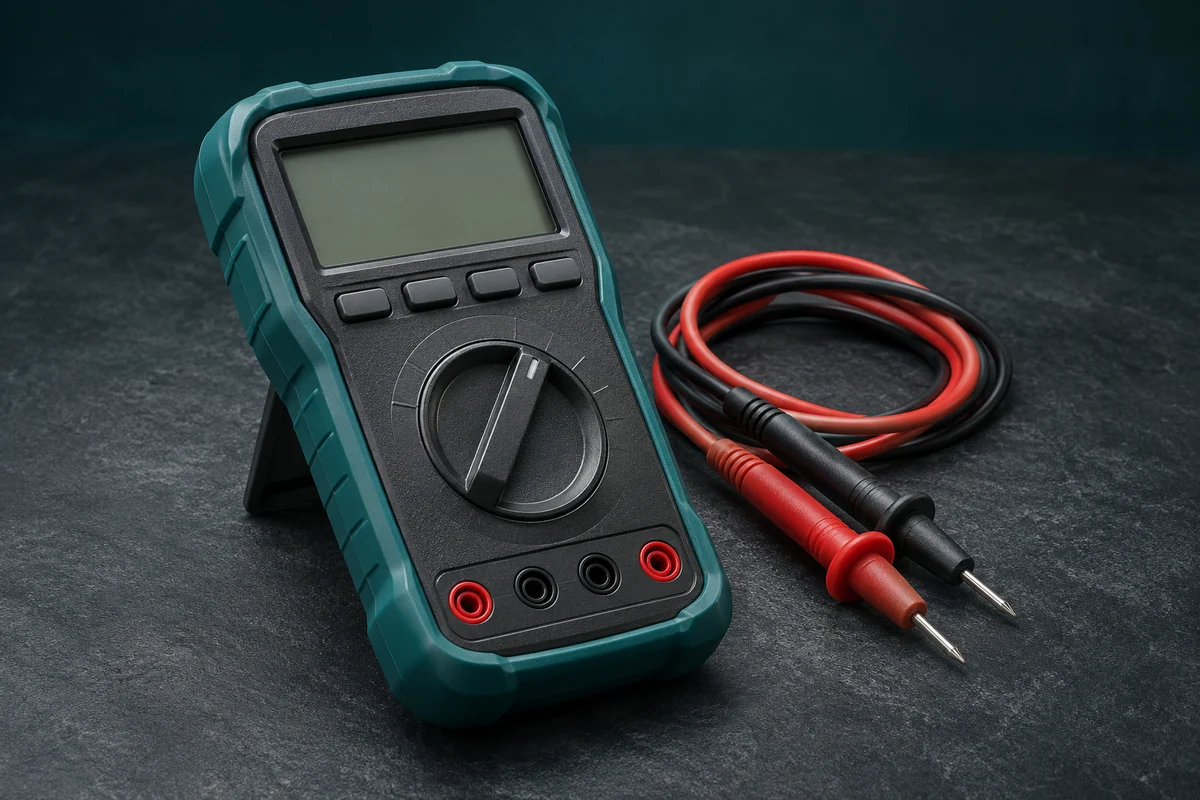
List the instruments used to release equipment or document a maintenance job. Separate workshop tools from instruments fitted to a customer’s asset. Explain who owns each item and who must approve the resulting documentation.
Check the end customer’s requirements early
If your work follows an oil-service, industrial or maintenance contract, share the relevant calibration specification before ordering. It may define ranges, uncertainty, intervals or accreditation requirements. Request confirmation of suitability for the particular service rather than relying on a broad statement about calibration.
Match asset tags and serial numbers to the customer’s register. Where a certificate must reference a purchase order or equipment package, identify that requirement at quotation stage. This reduces avoidable document queries when the equipment is ready to return to use.
Define pressure and torque work carefully
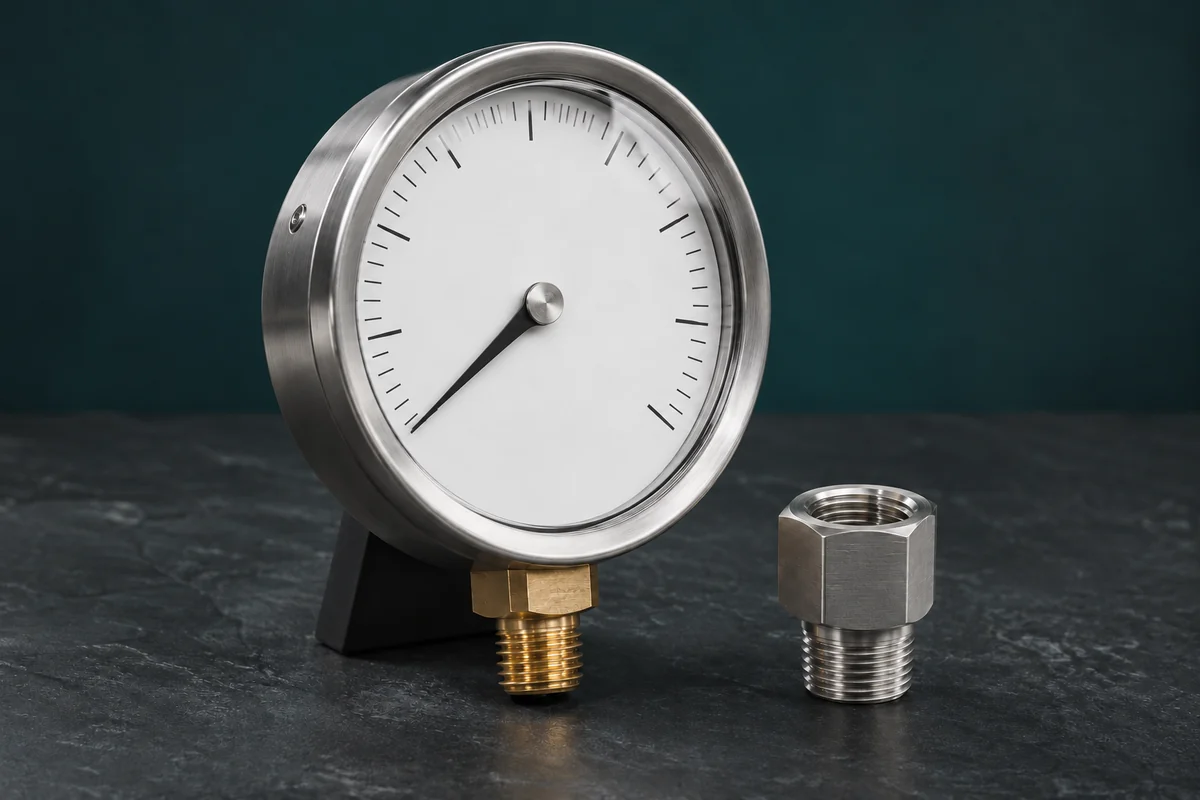
For a pressure gauge, identify its range, units, connection, operating medium and normal working points. For a transmitter, add its output signal and explain whether the request concerns the device alone or a wider measurement arrangement. The scope needs to identify what will actually be evaluated.
For torque tools, state the settings and tightening directions used by the procedure. Calibration of an instrument should not be confused with pressure testing a complete assembly or certifying an entire maintenance job. Send your proposed list on WhatsApp for assessment.
Send your list and site requirements.
Arrange access around the work location
Give the actual address in Georgetown or East Bank Demerara and identify the work area. Explain any induction, access control, escort or safe-isolation requirements. A purchasing address does not establish where an instrument can be safely disconnected, stabilised and evaluated.
Identify a technical contact and the person responsible for releasing equipment from production. Discuss workspace, electrical supply and environmental conditions. The visit schedule is agreed after reviewing the instruments and site requirements; do not move equipment or book a shutdown on an assumed date.
Review results before returning equipment to use
Check that the results cover the ranges and points agreed for the instrument’s application. Compare them with your acceptance criteria, taking uncertainty into account as required by your decision process. Agree any requested statement of conformity before the work begins.
If a result falls outside your limits, your quality team should evaluate the impact on previous measurements and decide the next action. Legal verification remains a separate consideration for regulated instruments; ask GNBS about the applicable local requirement.
Tell us which measurements your operation needs to assess.