Build the list around maintenance tasks
Linden is in Region 10, where bauxite mining, timber and agriculture are among the documented economic activities. For industrial maintenance teams, instrument planning is most useful when it follows the work: inspecting a shaft, checking pressure, tightening an assembly or diagnosing an electrical fault.
Group your list by maintenance task or equipment area. Mark which instruments are essential for the planned work and which are spares. This helps your team avoid releasing all tools of one type for calibration at the same time.
Choose points that match the job
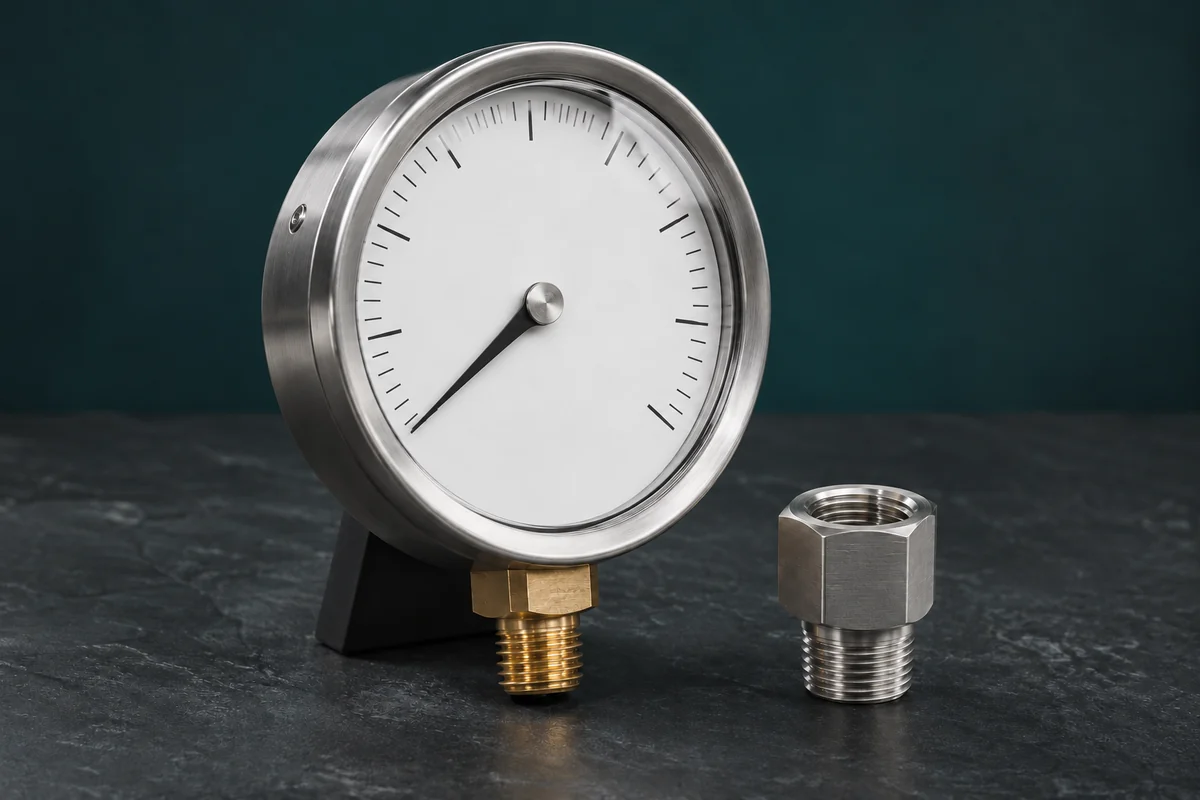
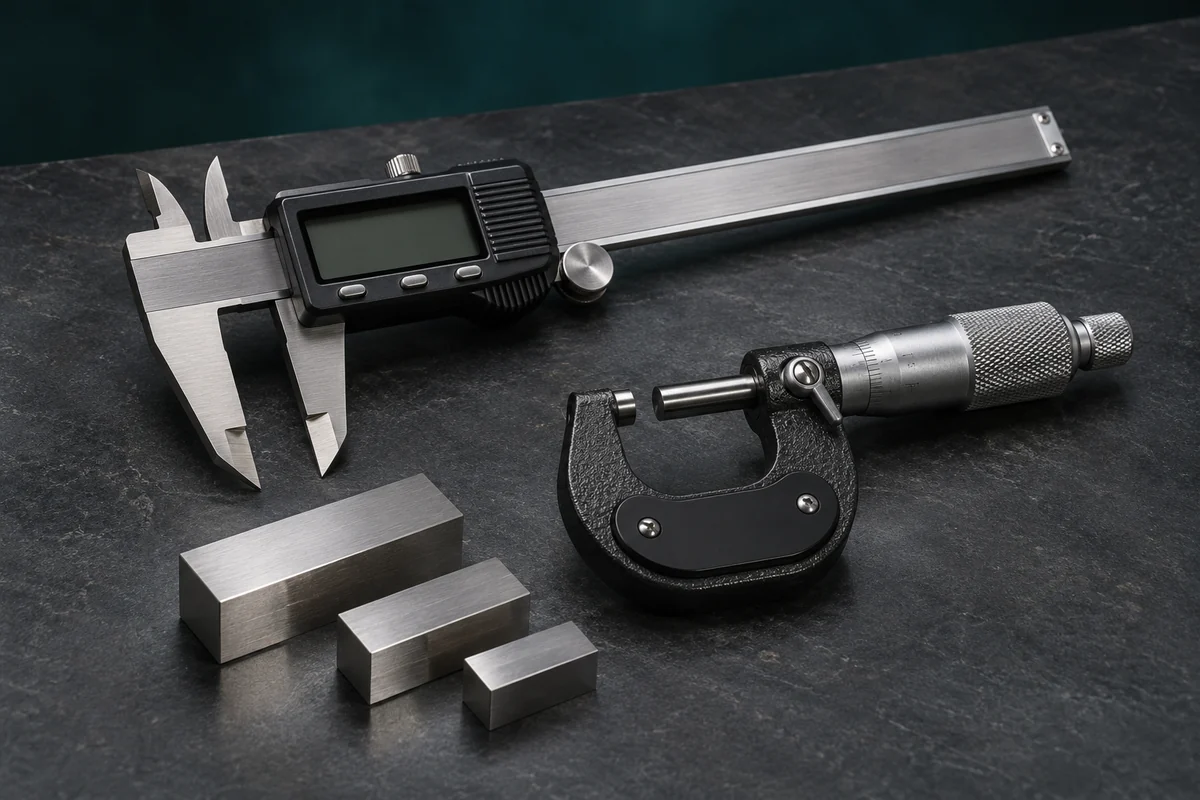
A torque wrench should be assessed against the settings and directions your procedure uses. A micrometer or calliper needs points relevant to the dimensions you inspect. For a pressure gauge, the working range and medium help define the request.
Include the process tolerance or maintenance acceptance limit where available. A list of instrument capacities alone may leave out the measurement that matters most. If you have a previous certificate, identify any point or result that deserves attention in the new assessment.
Prepare instruments before the maintenance window
Check identification, readability and visible condition before compiling the final list. Record damaged connectors, sticking mechanisms, contamination or impact damage. Explain any previous repair or adjustment. Calibration is a measurement activity, so do not assume repair work is automatically included.
Where an instrument has been used in a dusty or dirty area, discuss cleaning and safe handling requirements before making it available. Provide the accessories needed for its normal measurement configuration. Send the list on WhatsApp to agree the technical assessment and quotation.
Send your list and site requirements.
Coordinate the site with the shutdown plan
Identify when equipment can be safely isolated and when it must be available again. Separate your desired shutdown date from the service date that still needs to be agreed. Tell us who controls access, who releases instruments and who can resolve technical questions during the visit.
Describe a suitable workspace away from avoidable vibration, dust and temperature changes. Include available electrical supply and any site induction requirements. On-site feasibility depends on the instrument and conditions; an instrument fitted to a machine may require specific preparation before evaluation.
Make return-to-service decisions explicit
Assign someone to review the certificate against the maintenance requirement before the tool returns to use. Check identity, points, results and uncertainty. If a result does not meet your criteria, consider whether earlier work needs review and determine the appropriate next action.
Confirm any accreditation or contractual documentation requirement before ordering. Calibration does not itself approve an entire machine for service. For an instrument subject to legal control in Guyana, verify the applicable GNBS requirements separately.
Tell us which measurements your operation needs to assess.