Plan around the operation, not the border alone
Lethem is in Region 9, which borders Brazil and includes cattle ranching, agriculture and semi-precious stone mining among its activities. For a workshop, storage operation or agricultural business, the instrument’s actual use is the starting point for a calibration request.
Explain whether a reading controls equipment maintenance, internal stock handling, product conditions or a commercial quantity. A border location does not by itself establish the right service method, a delivery time or the paperwork required for the work.
Build a practical list of instruments
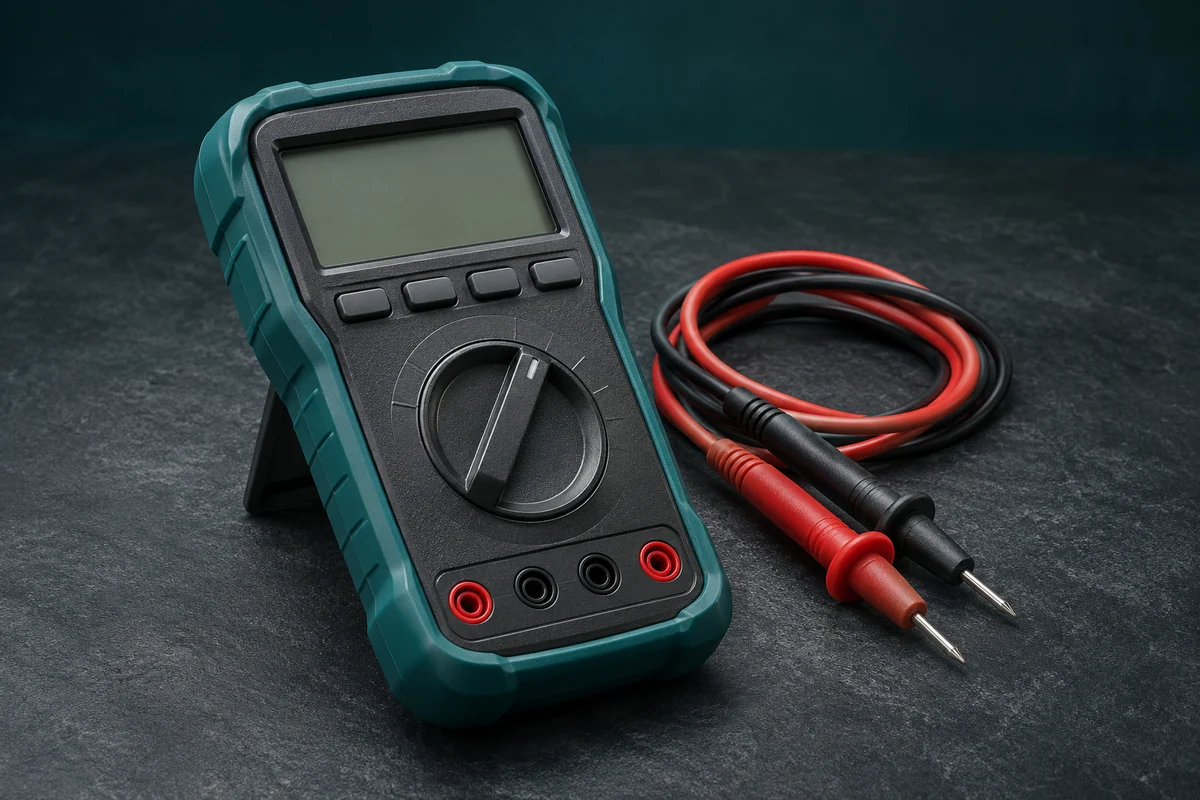
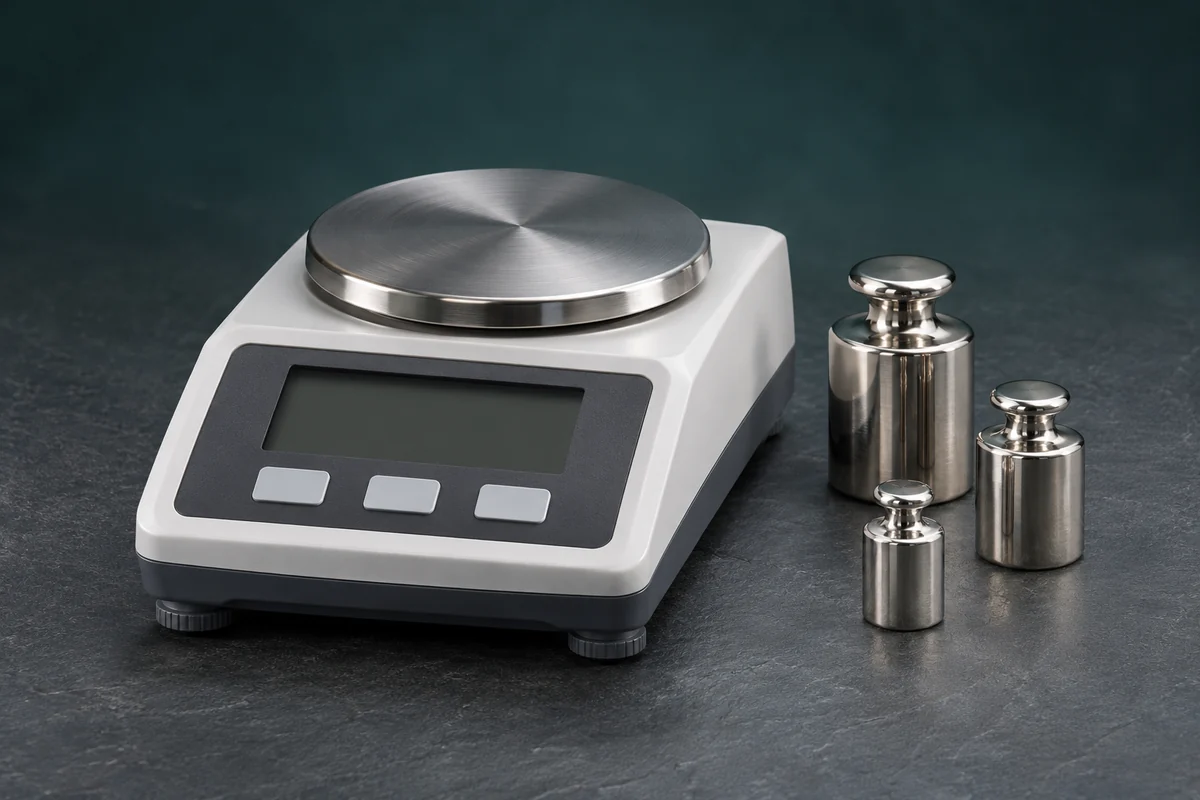
Identify each instrument by manufacturer, model, serial number and asset tag. State range, resolution and working points. For a scale, include typical loads; for a thermometer, describe the probe and temperatures; for a multimeter, list the electrical functions your team uses.
Flag items without a spare and any equipment that cannot be removed from service easily. If several instruments are shared between sites, state where they will actually be available. A clear list allows the quotation to address a defined scope instead of a general equipment category.
Separate three cross-border questions
An on-site visit involves people travelling to perform work. Bringing reference equipment into Guyana involves goods moving across a border. Sending a customer instrument to Brazil, if separately agreed, is another movement with its own purpose and return arrangements.
Confirm the relevant documentation, permissions, responsible parties and costs for the proposed arrangement before anything moves. The Guyana Revenue Authority publishes guidance for goods entering through Lethem. Check the treatment applicable to the actual goods and destination rather than assuming a general exemption.
Send your list and site requirements.
Agree site readiness and the work window
Provide the exact address, access conditions, available workspace and electrical supply. Explain dust, vibration, temperature variation or other conditions that could affect the proposed measurements. Identify who can make instruments available and arrange safe isolation when needed.
Give your preferred dates and explain any operational deadline, but wait for an agreed schedule before making dependent arrangements. Send the list and site details on WhatsApp to request assessment. Instrument requirements and site conditions determine what can be included in the on-site scope.
Check acceptance and local obligations
Before ordering, identify the certificate requirements set by your customer or quality system. Confirm the applicable scope if accreditation is required. On receipt, match the instrument identity and review the agreed points, results, uncertainty and traceability information against the intended use.
For weighing or measuring devices used in regulated applications, confirm legal verification requirements with GNBS. Calibration does not automatically replace that obligation. Your responsible team should decide how results affect instrument use and whether previous measurements require review.
Tell us which measurements your operation needs to assess.